
















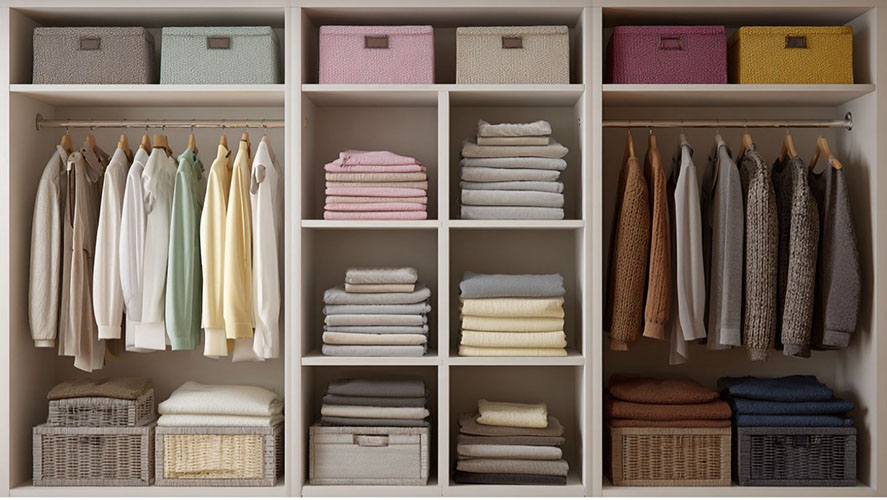
Imagine opening your closet door and seeing a tidy row of clothes that suit your skin tone and the weather. With all the fast fashion out there, going minimalist with colors tied to the seasons brings that easy, lasting style everyone loves. We’ll chat about figuring out your color season, the basics of keeping things simple with mix-and-match pieces and good fabrics, and even some ideas for Spring and Summer looks. It’s about keeping your style new and simple.
Figuring Out Your Seasonal Colors
These seasonal color ideas started with Johannes Itten back in 1961, in his book ‘The Art of Color.’ Basically, it groups clothes into four seasons based on your skin’s undertones, helping highlight what you naturally have going on and creating outfits that just click together.
How to Find Your Color Season
Finding your color season is all about understanding how your natural undertone interacts with different shades. While traditional methods like fabric draping or vein tests can give you a rough idea, digital tools make the process much more precise. A color analysis app allow you to determine your color season and test seasonal palettes on your own photo, helping you clearly see which colors enhance your features in real life and make wardrobe decisions much easier.
What Makes Each Palette Special
Spring types go for warm, light shades-think bright yellows and soft peachy pinks, like flowers just starting to bloom. This fits about 20% of folks with that golden glow and strong contrast in their features. You can pull from 10 to 12 colors, stuff like mint green (#98FB98) or coral (#FF7F50). They really make fair skin pop, just like on Emma Stone. Try draping some swatches near your face to see that instant glow.
For Summer, it’s all about cool, soft lights with 8 to 10 muted colors, like lavender (#E6E6FA) and rose (#FFC0CB). Perfect for those with gentle contrast, kinda like Jennifer Aniston. Wrap a soft scarf around to check it out.
Autumn’s got those warm, rich earth colors, around 12 of them, such as burnt orange (#CC5500) and olive (#808000). It works well for medium contrast skin, think Jessica Chastain. Layer on some jewelry to see how it balances.
Winter features cool jewel tones in 10 to 12 shades, such as emerald (#50C878) and royal blue (#4169E1). Great for high-contrast looks, similar to Lupita Nyong’o.
The Basics of Keeping It Minimal in Fashion
Minimalist fashion means putting together a small group of clothes that combine well, without following every new trend. A 2023 Nielsen report says 65% of millennials love this approach because the stuff lasts longer and it’s better for the planet.
So, let’s dive into how this works in practice.
Using Capsule Pieces to Mix and Match Outfits
With just 25 to 35 pieces in a capsule wardrobe, you can whip up over 100 outfits by mixing smartly. Designer Anya Ayoung-Chee did a 30-piece challenge and came up with 85 different looks-pretty cool.
Building your own? Pick tough basics that layer and pair without fuss. Some must-haves, as suggested by the Dressika app for building your seasonal wardrobe:
- A simple white cotton t-shirt-goes with jeans for lazy days or a blazer for work;
- Black pants in wool blend; they work in 10 different outfits, from office to nights out;
- A navy linen midi dress; add accessories for 5 easy changes;
- Gray wool blazer. Pair it with four bottoms to make 20 outfits.
- White leather sneakers; take you from casual to a bit dressy;
- Multicolor silk scarf; jazzes up 8 outfits;
A 2021 Vogue piece points out that capsules can save you 2 hours a week on picking outfits. It’s all about pieces that work year-round without duplicates cluttering things up.
Why Quality Beats Piling on More Stuff
Spending on 10 solid staples makes sense-like a merino wool sweater that lasts 7 years, not like fast fashion that falls apart in one. It saves you 40% in the long run, says a 2022 WRAP report on sustainability.
To smarten up your buys, check pieces against these four things, based on how materials really hold up:
1. Durability: Does it withstand washes and wears? Look for reinforced seams and natural fibers. She found that investing in one good coat changed everything for her winters- no more shivering in flimsy layers.
2. Versatility: Can it pair with multiple items? A neutral button-down shirt, for instance, transitions from office to dinner seamlessly. One friend used the Dressika app to find her seasonal color palette and put together outfits using only a few tops that mix and match easily.
3. Comfort: Is the fabric breathable and soft? Opt for cotton or linen blends that feel good all day. You know, after trying cheap synthetics, she switched to quality basics and never looked back-her skin thanked her.
4. Ethical Sourcing: Check for sustainable practices to align with minimalist values. Brands recommended in the Dressika app often highlight eco-friendly options, reducing waste over time.
She used these criteria and saw her wardrobe change into something classic and lasting. By focusing on quality, not quantity, her style became more intentional and effortless. Choose pieces that match your color season and last a long time. That’s the real magic of minimalist fashion. With tools like the Dressika app, building this collection feels less overwhelming and more exciting. She even shared how one high-quality scarf tied her Spring looks together perfectly, adding that pop of peachy pink without overcomplicating things. Over the months, her confidence grew as she mixed and matched, proving that less really can be more when done right.
When building a lasting wardrobe, always go for pieces that can stand the test of time. Take something like sturdy jeans made with reinforced denim-they’re built to handle over 500 washes without a single fray. Or think about tees from recycled cotton, certified fair trade to keep things sustainable and easy on the planet.
This way of shopping really pays off. You put in about $500 upfront, but skip the $1,200 you’d blow on fast fashion over three years. And honestly, groups like the Ellen MacArthur Foundation say picking quality stuff cuts down textile waste by 25%-it’s a win for your wallet and the world.