









Vancouver Fashion Week Fall/Winter 2026 was a true celebration of global creativity, featuring an electrifying lineup of emerging designers who are redefining fashion’s boundaries. This year’s showcase embraced bold innovation, with each collection offering a fresh, visionary perspective that truly engaged audiences and industry leaders alike.
Beyond aesthetics, many designers used their platforms to address pressing social and environmental concerns, weaving sustainability and meaningful narratives into their work. From cutting-edge materials to forward-thinking concepts, these collections embodied a fusion of artistry and purpose. The energy of FW26 radiated throughout the event, reaffirming Vancouver Fashion Week’s role as a catalyst for change and a launchpad for the future of fashion.
Richard Wei
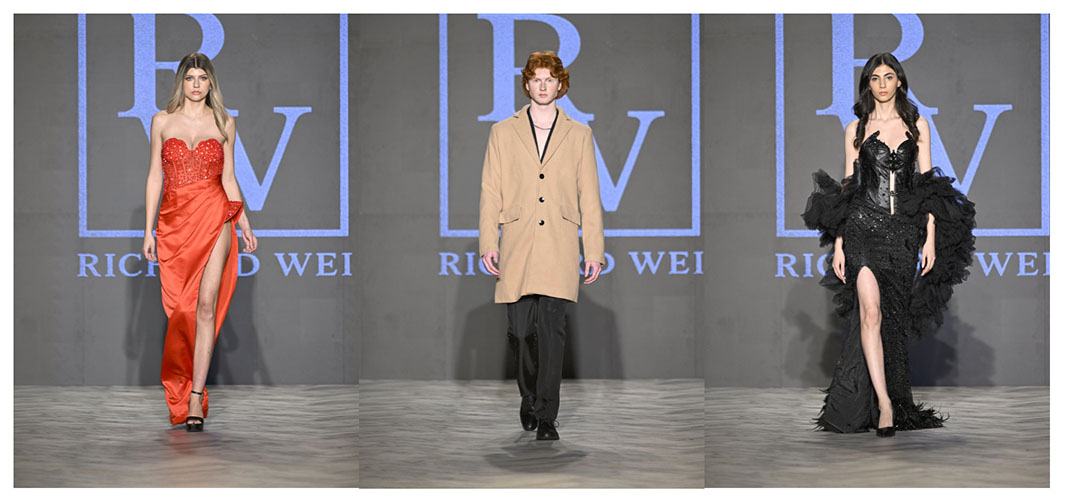
At this season’s Vancouver Fashion Week, Canadian designer Richard Wei opened FW26 with his collection *City Lights*, a striking exploration of urban life after dark. Inspired by the rhythm and glow of the modern metropolis, the collection translated illuminated streets, reflective architecture, and nighttime movement into a refined design language. Through sharp tailoring, structured silhouettes and luminous textures, the pieces captured the dynamic interplay between light and shadow that defines city living. As the opening showcase, *City Lights* set the tone for the season, embodying the energy, elegance and evolving lifestyle of the contemporary urban landscape.
Hypnotique Sense
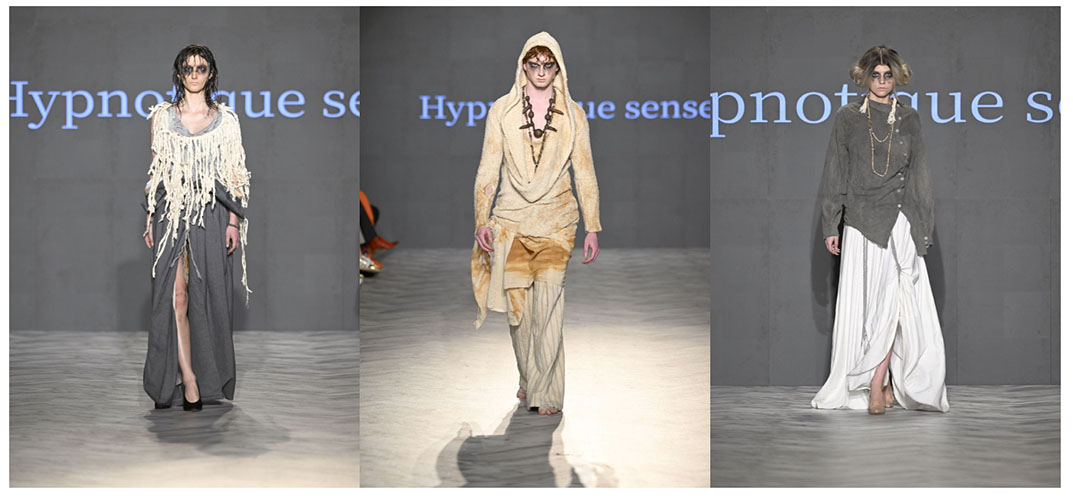
For its Fall/Winter 2026 season, Hypnotique Sense presents *ruinphilia*, a collection that explores a deep fascination with decay as a form of transformation. Rooted in the maison’s focus on subconscious, structural beauty, the designs emphasize draped forms that balance fluidity with tension, subtly guiding the eye through altered perceptions of movement and gravity. Through techniques such as rust dyeing, charcoal treatments, and botanical pigments, materials evolve over time, reflecting a dialogue between organic life and artificial systems. In *ruinphilia*, decay is not an end, but a redefinition of structure—an immersive expression that transforms deterioration into a new language of beauty.
Ay Lelum
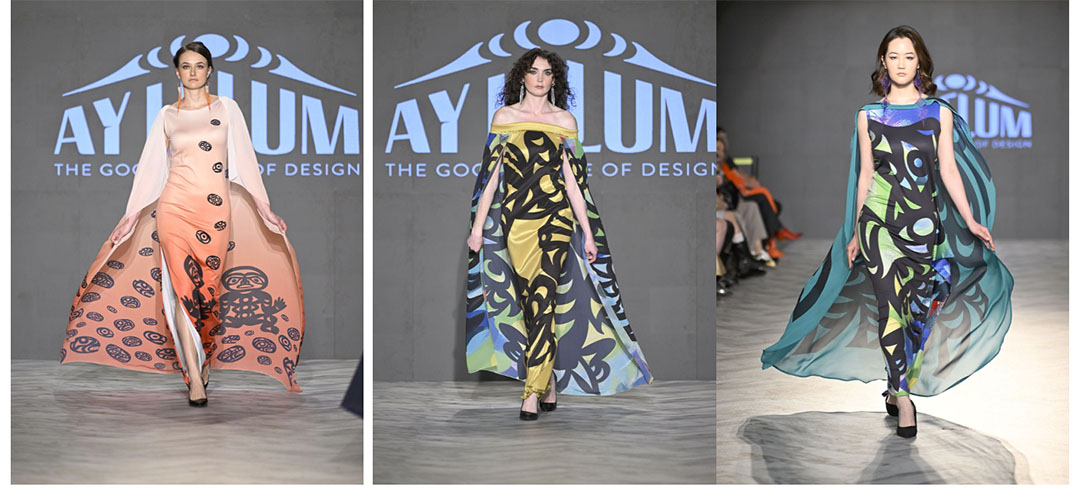
Ay Lelum is a second-generation Coast Salish design house based in Nanaimo, British Columbia, founded by sisters who carry forward a rich family legacy of art and craftsmanship. Their collections feature traditional Coast Salish designs created by their father, William Good, and brother, W. Joel Good, of the Snuneymuxw First Nation Hereditary Chief family, with garment design mentorship from their mother, Sandra Moorhouse-Good, founder of the pioneering Ay Ay Mut clothing line in the 1990s. The brand creates non-ceremonial garments that celebrate and share Coast Salish culture in an inclusive and accessible way for all to wear. Committed to sustainability, Ay Lelum produces couture pieces locally, working from home and with British Columbia manufacturers to reduce environmental impact while preserving cultural integrity.